
Deviated Septum: Symptoms, Diagnosis & Septoplasty Surgery Explained
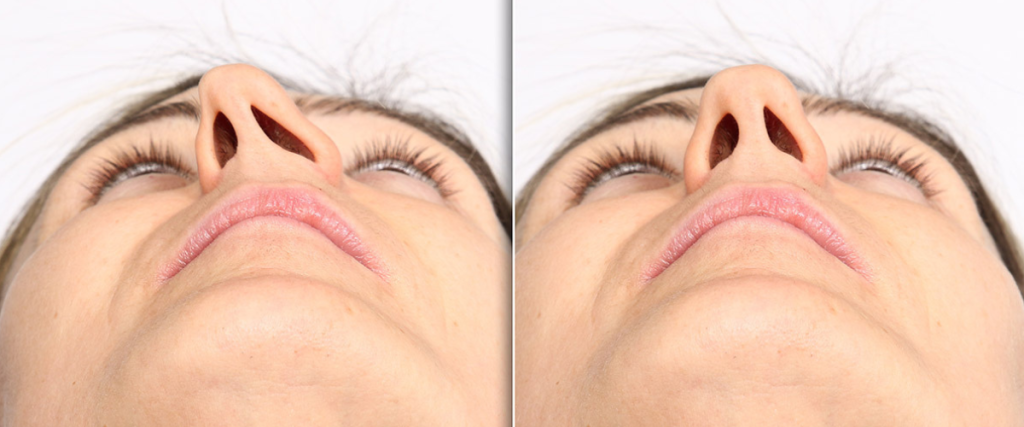
Breathing should feel natural and effortless but for many people, a deviated septum can make every breath feel restricted. Chronic nasal blockage, snoring, sinus infections, headaches, and difficulty sleeping are often linked to a crooked or displaced nasal septum.
A deviated septum is one of the most common nasal conditions treated by ENT specialists. While some people live with mild symptoms, others experience severe breathing problems that affect sleep quality, energy levels, and overall health.
What Is a Deviated Septum?
The nasal septum is the thin wall made of cartilage and bone that separates the two nasal passages. Ideally, it should sit in the center of the nose. However, in many people, the septum becomes displaced or crooked, making one nasal passage smaller than the other.
This condition is known as a deviated septum.
Common Symptoms of a Deviated Septum
Symptoms vary depending on how severe the deviation is.
1. Persistent Nasal Congestion
One side of the nose may feel constantly blocked.
2. Difficulty Breathing Through the Nose
Breathing problems often become worse during allergies or colds.
3. Frequent Sinus Infections
Poor sinus drainage increases infection risk.
4. Nosebleeds
Dry airflow inside narrowed nasal passages may trigger bleeding.
5. Snoring and Sleep Disturbance
A deviated septum can contribute to noisy breathing and poor sleep quality.
6. Facial Pain or Pressure
Some patients experience pressure around the nose and forehead.
7. Headaches Related to Nasal Obstruction
Restricted airflow may contribute to sinus-related headaches.
8. Postnasal Drip
Mucus buildup may drain into the throat and cause irritation.
What Causes a Deviated Septum?
Several factors can lead to septal deviation.
Congenital Deviated Septum
Some people are born with a crooked septum.
Nasal Injury or Trauma
Sports injuries, accidents, or falls can shift the septum out of alignment.
Age-Related Changes
Natural aging can gradually worsen nasal asymmetry.
Previous Nasal Surgery
Past procedures may occasionally alter septal positioning.
How a Deviated Septum Affects Daily Life
A severely deviated septum can impact more than just breathing.
Common Lifestyle Effects Include
- Poor sleep quality
- Mouth breathing
- Reduced exercise tolerance
- Daytime fatigue
- Recurrent sinus infections
- Chronic nasal discomfort
Over time, untreated obstruction may significantly reduce quality of life.
When Should You See an ENT Specialist?
You should seek medical evaluation if symptoms become persistent or disruptive.
Warning Signs Include
- Chronic nasal blockage
- Frequent sinus infections
- Loud snoring
- Difficulty sleeping
- Recurrent nosebleeds
- Persistent headaches
- Difficulty breathing during exercise
Early diagnosis can help prevent long-term complications.
How Is a Deviated Septum Diagnosed?
An ENT specialist performs a detailed nasal examination to evaluate the structure of the septum and nasal passages.
Diagnostic Methods May Include
- Nasal endoscopy
- Physical examination
- Imaging scans if required
- Evaluation of airflow obstruction
- Sinus assessment
Proper diagnosis helps determine whether surgery or conservative treatment is necessary.
Non-Surgical Treatment for Deviated Septum
Mild symptoms may improve with medications and lifestyle management.
Common Non-Surgical Treatments Include
- Nasal steroid sprays
- Saline nasal irrigation
- Antihistamines for allergies
- Decongestants
- Humidification therapy
While these treatments may temporarily reduce symptoms, they do not permanently correct the septal deviation.
What Is Septoplasty Surgery?
Septoplasty is a surgical procedure designed to straighten the nasal septum and improve airflow.
How Septoplasty Works
During surgery, the ENT surgeon reshapes or repositions the cartilage and bone inside the nose to open the blocked airway.
The procedure is usually performed internally without visible external scars.
Benefits of Septoplasty Surgery
Many patients experience major improvements after surgery.
Benefits May Include
- Easier breathing
- Better sleep quality
- Reduced snoring
- Fewer sinus infections
- Improved exercise comfort
- Reduced nasal congestion
- Better overall quality of life
Who Is a Good Candidate for Septoplasty?
Septoplasty may be recommended for people with:
- Significant breathing difficulty
- Chronic nasal blockage
- Recurrent sinus infections
- Sleep disturbances
- Failed response to medications
- Structural nasal obstruction
An ENT specialist determines candidacy after a detailed examination.
What Happens During Septoplasty Recovery?
Recovery is usually manageable for most patients.
Typical Recovery Timeline
- Mild swelling for a few days
- Nasal congestion during healing
- Return to light activities within days
- Improved breathing over several weeks
Patients are usually advised to avoid strenuous activity temporarily during recovery.
Can Septoplasty Be Combined With Other Procedures?
Can Septoplasty Be Combined With Other Procedures?
- Sinus surgery
- Turbinate reduction
- Nasal polyp removal
- Cosmetic rhinoplasty
Combining procedures may improve both breathing and nasal function.
Advanced Septoplasty Surgery in Dubai
Modern ENT clinics now use advanced techniques that improve surgical precision and recovery outcomes.
If you are struggling with chronic nasal obstruction or sinus issues, professional evaluation is essential.
For advanced septoplasty surgery in Dubai patients can explore personalized ENT care, minimally invasive surgical techniques, and long-term breathing solutions.
Why Choose Dr. Jayanta Kumar Nath for Septoplasty Surgery in Dubai?
Selecting an experienced ENT specialist is essential for safe and effective treatment.
Why Patients Trust Dr. Jayanta Kumar Nath
- Extensive ENT surgical expertise
- Advanced nasal and sinus evaluation
- Personalized treatment planning
- Minimally invasive surgical techniques
- Comprehensive post-surgical care
- Patient-focused treatment approach
For expert septoplasty surgery in Dubai patients can receive specialized diagnosis and effective treatment for chronic nasal obstruction and deviated septum conditions.
Conclusion
A deviated septum may seem like a minor structural issue, but it can significantly affect breathing, sleep quality, sinus health, and everyday comfort. Persistent congestion, sinus infections, headaches, and sleep disturbances should never be ignored.
Fortunately, modern ENT treatments and advanced septoplasty surgery offer highly effective long-term solutions for restoring normal airflow and improving quality of life.
If you are experiencing chronic nasal blockage or breathing difficulties, consulting an experienced ENT specialist in Dubai can help you find the right treatment path and breathe comfortably again.
FAQs
Yes. Aging, allergies, inflammation, and repeated nasal trauma may worsen symptoms over time.
No. Mild cases may improve with medications and allergy management. Surgery is usually recommended for severe symptoms.
Septoplasty generally takes between 30 minutes and 90 minutes depending on complexity.
Most patients experience mild discomfort rather than severe pain during recovery.
Standard septoplasty focuses on internal correction and usually does not significantly alter external appearance.