
Snoring and Sleep Apnea: Causes, Risks & ENT Treatment
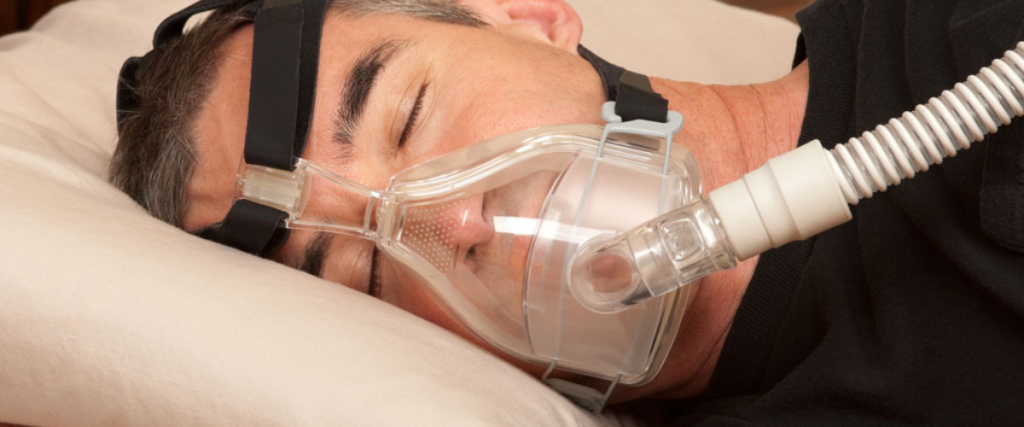
Snoring may seem like a harmless nighttime annoyance, but in many cases, it can be a warning sign of a more serious health condition called obstructive sleep apnea (OSA). Millions of people worldwide experience snoring, yet many remain unaware that repeated interruptions in breathing during sleep can significantly impact overall health and quality of life.
Understanding the Connection Between Snoring and Sleep Apnea
Snoring occurs when airflow is partially blocked during sleep, causing tissues in the throat to vibrate. While occasional snoring is common, persistent loud snoring may indicate obstructive sleep apnea.
Sleep apnea is a condition where breathing repeatedly stops and starts during sleep due to airway obstruction. Think of your airway as a tunnel. When that tunnel narrows or collapses, airflow becomes restricted, resulting in snoring and breathing interruptions.
What Causes Snoring?
Several factors contribute to snoring.
Nasal Obstruction and Breathing Issues
Blocked nasal passages from allergies, sinus problems, or a deviated septum can increase airflow resistance.
Patients often visit an ENT doctor for nose problems when chronic nasal blockage contributes to snoring.
Excess Throat Tissue
Enlarged tonsils, an elongated soft palate, or excess throat tissue can narrow the airway.
Lifestyle Factors
Common lifestyle-related causes include:
- Obesity
- Alcohol consumption before bedtime
- Smoking
- Poor sleep posture
- Sleep deprivation
What Is Obstructive Sleep Apnea (OSA)?
Obstructive sleep apnea occurs when throat muscles relax excessively during sleep, causing temporary airway collapse.
How Sleep Apnea Affects Breathing
When airflow stops:
- Oxygen levels drop
- The brain briefly awakens the body
- Sleep becomes fragmented
- The cycle repeats dozens or even hundreds of times nightly
According to the American Academy of Sleep Medicine, many adults with sleep apnea remain undiagnosed, increasing their risk of serious health complications.
For more information on sleep apnea, visit the National Heart, Lung, and Blood Institute:
Difference Between Snoring and Sleep Apnea
| Snoring | Sleep Apnea |
|---|---|
| Noise caused by vibration | Breathing repeatedly stops |
| May be harmless | Potentially serious medical condition |
| Usually no oxygen drop | Causes oxygen deprivation |
| Does not always affect sleep quality | Leads to poor-quality sleep |
Not everyone who snores has sleep apnea, but most patients with sleep apnea snore.
Common Symptoms of Sleep Apnea
Watch for these warning signs:
- Loud chronic snoring
- Gasping during sleep
- Morning headaches
- Dry mouth upon waking
- Excessive daytime sleepiness
- Difficulty concentrating
- Mood changes
- Memory problems
When Should You See an ENT Specialist?
You should consult an ENT specialist if:
- Snoring disrupts your sleep regularly
- Your partner notices breathing pauses
- You experience excessive daytime fatigue
- You wake up choking or gasping
- You have persistent nasal obstruction
Many patients searching for an ENT doctor Dubai near me seek evaluation after years of untreated symptoms.
Health Risks of Untreated Sleep Apnea
Ignoring sleep apnea can have serious consequences.
Cardiovascular Complications
Research has linked untreated sleep apnea to:
- High blood pressure
- Heart disease
- Stroke
- Irregular heart rhythms
The Centers for Disease Control and Prevention highlights sleep health as an important factor in cardiovascular wellness.
Mental Health and Cognitive Issues
Poor sleep affects:
- Memory
- Focus
- Emotional stability
- Productivity
Daytime Fatigue and Safety Risks
Sleep apnea significantly increases the risk of:
- Workplace accidents
- Motor vehicle crashes
- Reduced reaction times
How ENT Specialists Diagnose Snoring and Sleep Apnea
Physical Examination
An ENT specialist evaluates:
- Nasal passages
- Tonsils
- Soft palate
- Tongue position
- Airway anatomy
Sleep Studies and Testing
Diagnostic options include:
- Home sleep testing
- Polysomnography (sleep lab study)
- Airway assessment
These tests help determine the severity of obstructive sleep apnea.
ENT Treatment Options for Snoring and Sleep Apnea
Treatment depends on the underlying cause.
Lifestyle Modifications
Recommended changes include:
- Weight loss
- Side sleeping
- Smoking cessation
- Limiting alcohol intake
CPAP Therapy
Continuous Positive Airway Pressure (CPAP) remains the gold standard for moderate to severe sleep apnea.
Benefits include:
- Improved oxygen levels
- Better sleep quality
- Reduced cardiovascular risks
Oral Appliances
Customized dental devices help keep the airway open during sleep.
These are often effective for mild to moderate cases.
Surgical Treatments
ENT specialists may recommend surgery when anatomical problems contribute to airway obstruction.
Septoplasty
Corrects a deviated nasal septum and improves airflow.
Tonsillectomy
Removes enlarged tonsils that block the airway.
Uvulopalatopharyngoplasty (UPPP)
Reshapes excess tissue in the throat to widen the airway.
How to Stop Snoring Naturally
Simple lifestyle changes can reduce snoring:
- Maintain a healthy weight
- Sleep on your side
- Stay hydrated
- Treat allergies promptly
- Avoid alcohol before bed
- Establish regular sleep patterns
Sleep Apnea in Children
Children can also develop sleep apnea due to:
- Enlarged tonsils
- Enlarged adenoids
- Nasal obstruction
Parents concerned about pediatric breathing issues can learn more through specialized pediatric ENT services.
Why Early Treatment Matters
The earlier sleep apnea is diagnosed, the easier it is to prevent complications.
Benefits of early intervention include:
- Better sleep quality
- Improved concentration
- Reduced cardiovascular risks
- Enhanced energy levels
- Better overall health
Book an ENT consultation today.
If chronic snoring is affecting your sleep or your loved ones have noticed breathing pauses, don’t ignore the signs. Early evaluation can identify the cause and help prevent long-term health complications.
Schedule an appointment with an experienced ENT specialist to receive personalized diagnosis and treatment options.
Why Choose Dr. Jayanta Kumar Nath?
Patients seeking the best ear doctor in Dubai, a trusted ear doctor in Dubai, or an experienced ENT doctor for nose problems choose Dr. Jayanta Kumar Nath because of:
- Comprehensive ENT expertise
- Advanced diagnostic evaluations
- Personalized treatment plans
- Modern surgical techniques
- Patient-centered care
- Extensive experience treating airway and sleep disorders
Visit Dr. Jayanta Kumar Nath’s specialized ENT services:
Conclusion
Snoring is more than just a nighttime nuisance—it can be an early sign of obstructive sleep apnea. Left untreated, sleep apnea can increase the risk of heart disease, stroke, fatigue, and reduced quality of life. Fortunately, modern ENT treatments ranging from lifestyle modifications and CPAP therapy to advanced surgical procedures can effectively manage the condition.
If you’re experiencing persistent snoring, breathing interruptions during sleep, or chronic fatigue, consult an ENT specialist for a comprehensive evaluation and appropriate treatment plan.
FAQs
The answer depends on the cause. Many patients experience significant improvement through lifestyle changes, CPAP therapy, or ENT procedures.
No. However, loud chronic snoring combined with breathing pauses should be evaluated by an ENT specialist.
A deviated septum can contribute to breathing difficulties and worsen sleep-disordered breathing in some individuals.
Sleeping on your side often reduces airway obstruction and minimizes snoring.
ENT specialists evaluate airway anatomy and may recommend lifestyle changes, CPAP therapy, oral appliances, or surgery.